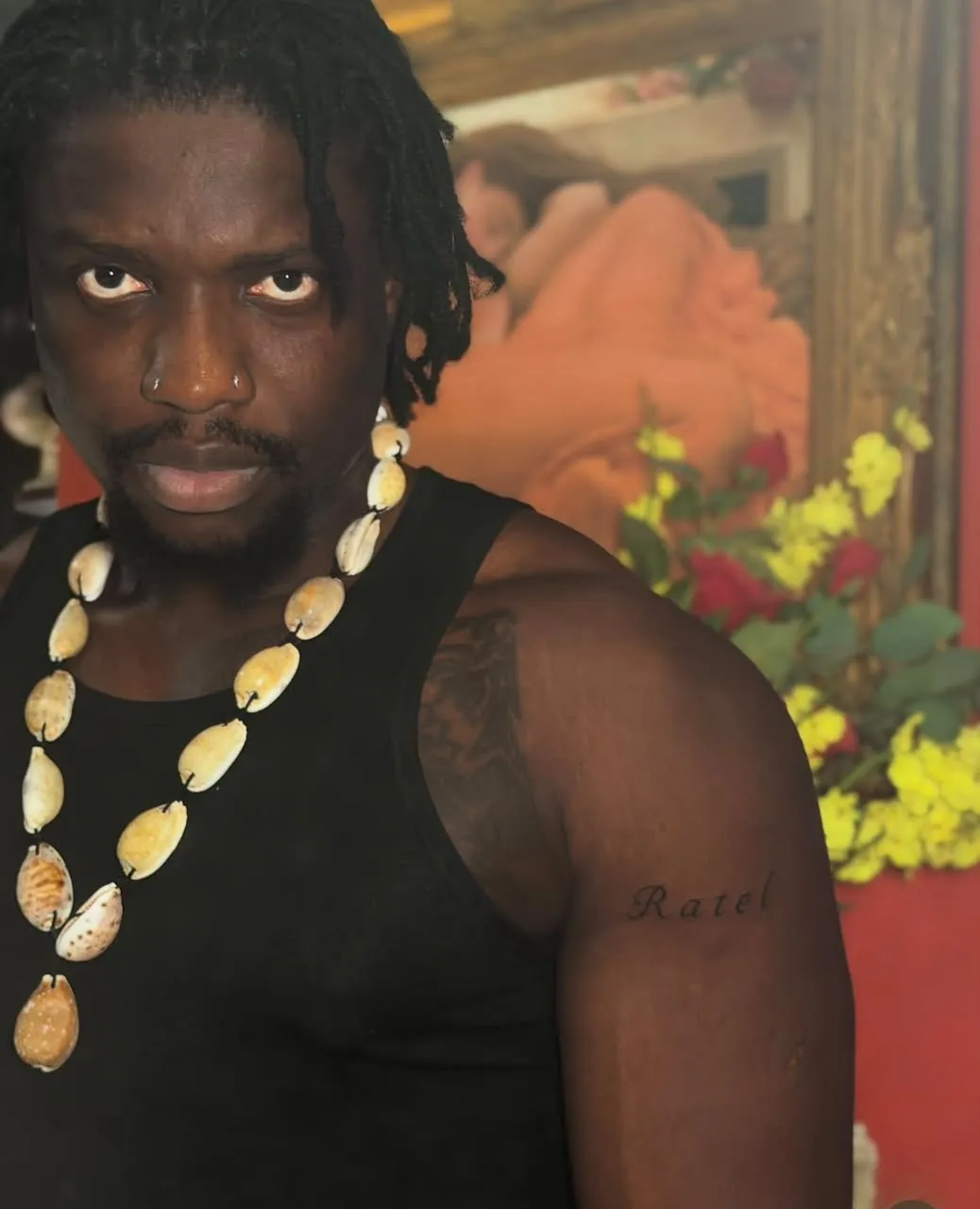

In Nigeria’s digital space, few personalities attract as much attention and controversy as VeryDarkMan (VDM), whose real name is Martins Vincent Otse. Known for his blunt delivery, confrontational videos and outspoken commentary, he has built a significant online following by speaking about public controversies, alleged misconduct, consumer issues and matters of national interest.
To his supporters, VDM is a fearless voice for ordinary Nigerians who feel ignored by powerful individuals and institutions. To his critics, his approach raises questions about the relationship between public advocacy, controversy and the business of social media attention.
But a question raised by a member of the Tippified community, who is also a social media activist, deserves closer examination: Is VDM primarily an activist who uses social media to demand accountability, or a content creator whose activism has become part of his online business model?
The Rise of VeryDarkMan
VDM rose to prominence through videos in which he challenged public figures, criticized businesses and commented on issues he believed deserved public scrutiny. His direct, often confrontational communication style helped distinguish him from conventional influencers who primarily focus on entertainment, lifestyle or brand partnerships.
Over time, his influence extended beyond viral commentary. His public identity became closely associated with activism, and his initiatives, including the Ratel Movement and the Martins Vincent Otse Initiative, have been presented as efforts to encourage civic participation and community impact.
His career illustrates how social media can give an individual the ability to influence public conversations without relying on traditional media organizations.
However, the scale of that influence also raises a question about how attention is generated, maintained and potentially monetized.
The Argument: Is VDM More of a Content Creator Than an Activist?
According to the Tippified community member behind this viewpoint, VDM should be examined not only through the issues he raises but also through the business model supporting his online presence.
The argument is that content creation and monetization may be central to VDM’s public influence, even if he does not accept conventional brand promotions or advertisements on his pages.
Social media platforms can offer eligible creators different ways to earn revenue from their content. Depending on the platform, account eligibility and monetization arrangements, income may come from advertising revenue, subscriptions, gifts or other creator programmes.
Under this model, a creator does not necessarily need to promote a product for a post to have commercial value. Content that attracts substantial views, watch time and audience engagement may also contribute to earnings where the relevant platform monetization programme applies.
This is the basis of the community member’s argument: if VDM’s platforms are monetized, then the attention his content generates could also have financial value.
The member further argues that some of VDM’s highly publicized confrontations and controversial posts appear designed to attract attention and trigger widespread discussion. Whether that attention is driven by genuine outrage, public-interest reporting or online controversy, it can expand his reach.
But there is an important distinction: high engagement does not, by itself, prove that a post was created for financial gain, nor does it establish how much money a creator earns. VDM’s platform-by-platform monetization status and earnings would need to be independently verified before making definitive claims about them.
Does Monetisation Disqualify Someone From Being an Activist?
Not necessarily.
Activism is generally associated with efforts to challenge injustice, influence public policy, demand accountability or bring attention to social problems. Content creation is the production and distribution of material for an audience. The two activities can overlap.
An activist can produce videos, attract millions of views and earn money from eligible content without automatically losing the credibility of their cause. Equally, someone can use the language of activism while building a personal brand around public controversies.
The more meaningful questions concern the person’s methods, motivations, consistency and measurable impact.
Are the claims being made responsibly? Is evidence provided? Does the work lead to meaningful public awareness or practical action? Is there accountability when allegations prove inaccurate? And does the person maintain their principles when an issue is no longer trending?
These questions provide a stronger basis for evaluating an activist than monetization alone.
The Bigger Question for Nigerian Social Media
The Tippified community member’s position is not necessarily that VDM has never contributed to public discourse or that monetized creators cannot be genuine activists. Rather, the argument challenges Nigerians to look beyond public labels and examine the economic incentives that may operate behind influential online personalities.
In today’s creator economy, attention is an asset. Controversy can generate views, views can expand an audience, and an audience can create commercial opportunities. This is true across the wider social media industry, although the actual financial benefit varies by platform and creator.
For that reason, it is reasonable to examine whether a public figure’s activism and content business reinforce each other. What is not reasonable is to assume that every controversial post is financially motivated without evidence.
So, Is VDM a Content Creator or a Real Activist?
The answer may not be as simple as choosing one label.
VDM clearly operates as a social media personality who creates content and participates in public advocacy. Whether his activism should be considered genuine must be assessed through the substance of his work, the evidence behind his claims and the impact of his actions not simply whether his online presence generates revenue.
Nevertheless, the community member’s challenge raises a worthwhile question: when activism becomes a source of online attention and that attention can be monetized, how should audiences distinguish advocacy from content strategy?
Perhaps the real question is not whether an activist makes money, but whether the pursuit of attention serves the cause or the cause serves the pursuit of attention.
This article presents a viewpoint shared by a Tippified community member who is also a social media activist. It is an opinion piece, not a verified assessment of VDM’s earnings, private motivations or the monetization status of each of his accounts.